
Oh, what an autumn of freefall it’s been.
I won’t go into detail except to say that this has been a season of the unexpected. I’ve had to interrogate assumptions, amend my plans, reconsider what I thought God had in mind, grow comfortable with a time of metaphorical exile.
And the thing: it hasn’t been so bad.
Maybe because with age comes preparedness. I’ve been there before and I’ve done this before and God always sees me through. There’s less a sense of what’s happening?! than a sense of ah, I know this place. It doesn’t change the circumstance, but it’s been strangely comforting. I know this desert. I’ve walked here many times. I don’t need to understand it; I need only to know that eventually it will pass.
I am grateful that with age can come wisdom.
Perhaps not as soon as it should. But it comes, if we are receptive to it, nonetheless. And one of the glories of age is that you have a wealth of experience to draw from. You see patterns, trends, familiarity. You have a deeper understanding of how life with God goes simply because you’ve lived through it longer than some others.
That doesn’t make it easy, of course. I am a control freak by nature. I am always looking for the variable, the lever, the thing I can do to arrange circumstances, make it okay, fix what’s broken, move the needle. It’s a habit, borne by anxiety and fear. So it’s hard to live through these seasons and feel that impulse to do something, to recognize there’s nothing to be done, and to make peace with that. I have had a lot of frustration, irritation, exhaustion. But also, far less fear than I expected.
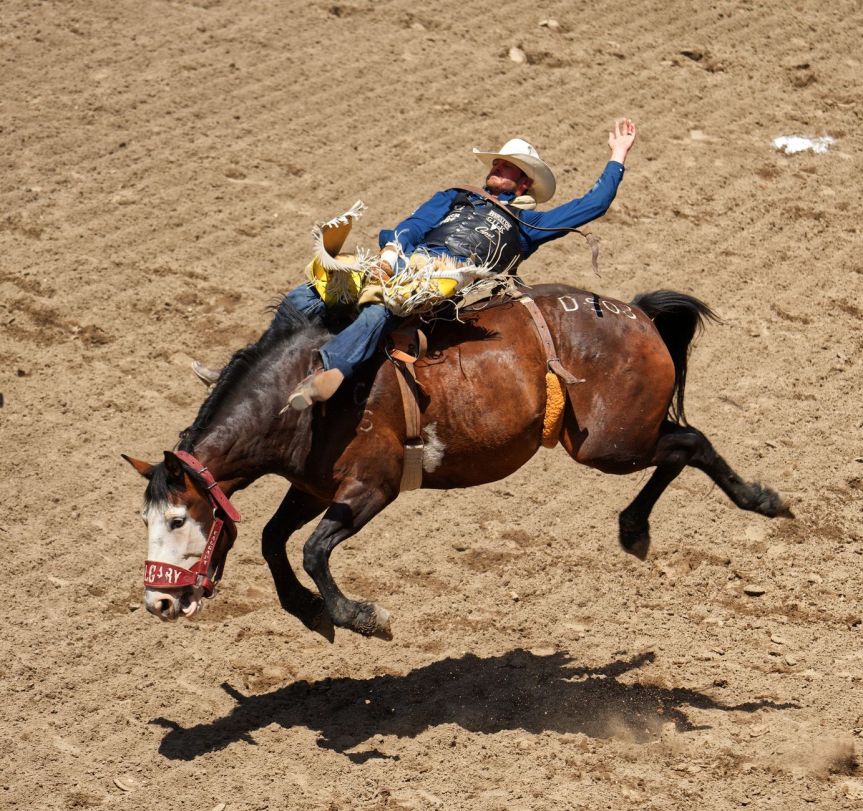
It reminds me of my public speaking experience. My first public speaking event came when I was in elementary school: I won an award for a speech I’d memorized. I was asked to give the speech at a much larger event and I remember how sick with terror I felt, how I sweated through my brand new dress preparing. But somehow, after that first rodeo, it got a little easier. I would have to speak in front of a class and I’d think, well, I already gave that speech I memorized. And then something new and challenging would come up that I hadn’t done, and I’d comfort myself that I had figured it out before, and I’d do the new hard thing and then it felt neither new nor hard.
Trials can be like that. They vary in shape, size, and scope, but we do start to get a sense of them within our grander experience. We don’t always know how it will go, but we know who God is and so we can carry on with that and learn to flourish. In some ways, suffering can be—in God’s people, and in God’s hands—an inoculation against greater despair. We know we will hurt, but knowing that the hurt will be redeemed gives us unprecedented strength to bear up under it—more and more with the passage of time.
This is one of the reasons I so frequently advocate for mixed-age engagement in churches. I know the trend is to keep us all in our demographic, but it can be so gratifying to talk to believers who have lived and believed longer than you—who’ve seen it all and done it all twice and who know precisely who God is in and through those moments of deep darkness that some may be experiencing just for the first time.
I experienced this for the first time when my boyfriend dumped me in college. My mom had asked prayer for me in church—I was clearly in a state—and I received a lot of sympathetic pats and “thinking of you honey”s. They helped, but what stands out to me was the eighty-two year old congregant who pulled up a folding chair next to me in the youth room.
“I want you to make me a promise,” she said. “Now you’re not going to believe me now and I don’t want or expect you to. But girl, I promise you that in just one day—sooner than you think—you’re going to look back on that boy and you’ll either laugh, or you’ll thank God this happened. When that happens you owe me a coffee at the next church dinner.”
The laugh she laughed when she spied me, a year later, carrying a little cup of coffee to her table!
She knew because, as we would later discuss, she lived it. And those who have walked through hurt know the journey in a way that those in the midst of it may not recall. We do need reminding. Scripture is a critical source of wisdom; so too can be the lived experience of believers who, through questions they can’t answer and experiences they can’t understand, learn to trust God. If you need your elders, and if you need that wisdom of experience, reach out to them. And if you are one of those elders—even a “younger” elder—with the experience and wisdom to understand that to everything there is a season, reach out when the need becomes apparent. Your words, and your understanding, can be a balm.
It’s been an odd fall. But it’s also been a good fall. And the more time passes, the better I am getting at understanding God is present in all these moments—and the more I know that understanding can be an encouragement to someone else.

